
AI Posters Are Everywhere, and People Are Already Over
When I was a kid, you learned pretty quickly that ads exaggerated things.
You’d see a McDonald's burger on TV and it looked almost staged. The bun was smooth, the cheese sat exactly where it should, and everything felt arranged in a way that real life never is. Then you’d get one in person and it looked like it had actually been made by someone in a rush.
It still tasted fine. It just didn’t look like the commercial.
No one needed to explain that difference. You adjusted without thinking about it.
Kids today are growing up with a different baseline.
Kids today can clock AI slop faster than adults. I can son while he’s scrolling YouTube shorts (I know I HATE it), I see it happen in real time. He’ll pause for half a second, register it, and keep going.
There’s no curiosity there. He knows what it is… AI SLOP… He just doesn’t care, because it’s part of what he expects to see online.
Many adults hesitate longer.
There's still this built-in assumption that if something looks polished, it required effort. That used to be a decent shortcut for judging quality. Now it's just an aesthetic. You can generate something that looks finished in seconds… It just happens to look like everything else.
That association has been trained over years. Good design used to be expensive. It took a photographer, a designer, someone making decisions along the way. You could usually trust that if something looked put together, there was something behind it.
That link is weaker now.
You’ll catch yourself doing it. You see a nice post from a local place and assume they have their act together. You give it more credit before you’ve actually interacted with it.
A lot of small businesses end up here without realizing it.
For a long time, looking polished required time, money, or real skill. AI removed that friction fast.
According to HubSpot's 2026 State of Marketing, 74% of marketers are already using AI for content creation, and short-form video produced with AI tools has the highest ROI of any media format at 49%.
So naturally, people use what's available. The posts look cleaner, the feed feels more consistent, and from the outside it looks like things are moving in the right direction.
But that direction looks the same as everyone else.
Most platforms don't reward you for being remembered. They reward you for being present. Meta, TikTok, Google — they track that something was posted, that someone paused for a second, that the feed kept moving.
Over time, that shapes behavior in ways that are easy to miss. You keep posting because that's what someone (okay, me) said six years ago.
At some point, staying visible becomes the work itself, and the harder question of what's actually worth putting out there gets quietly dropped.
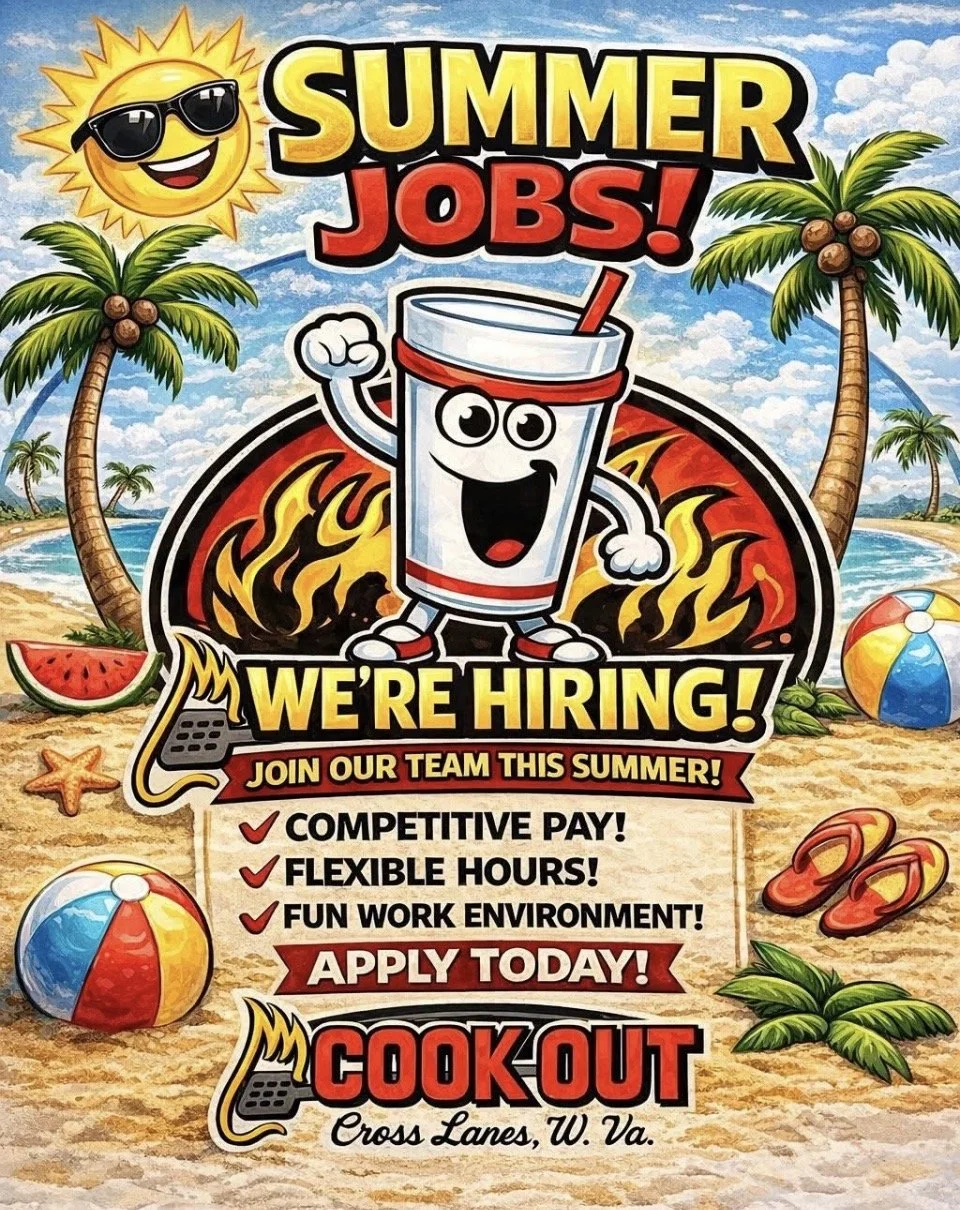
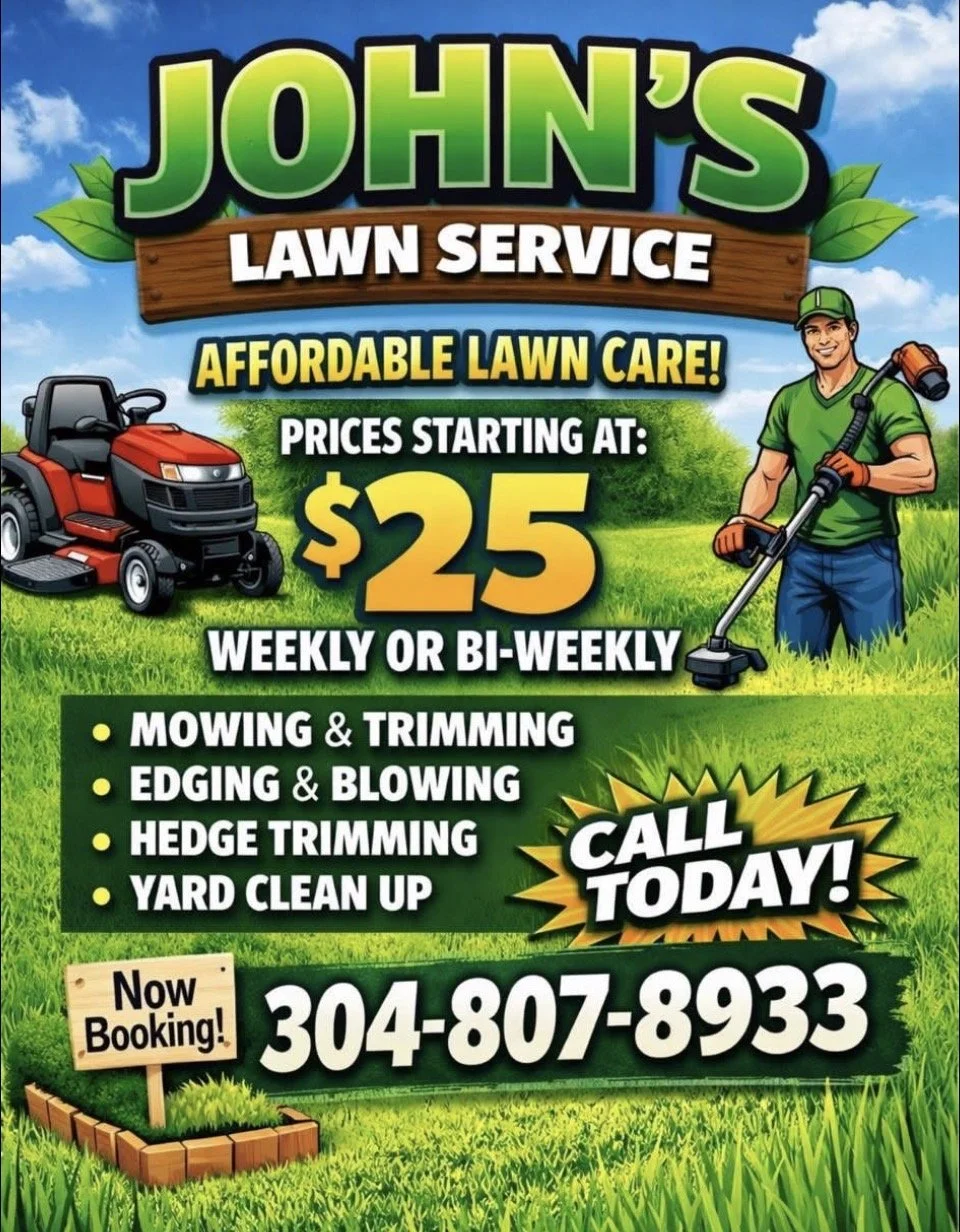
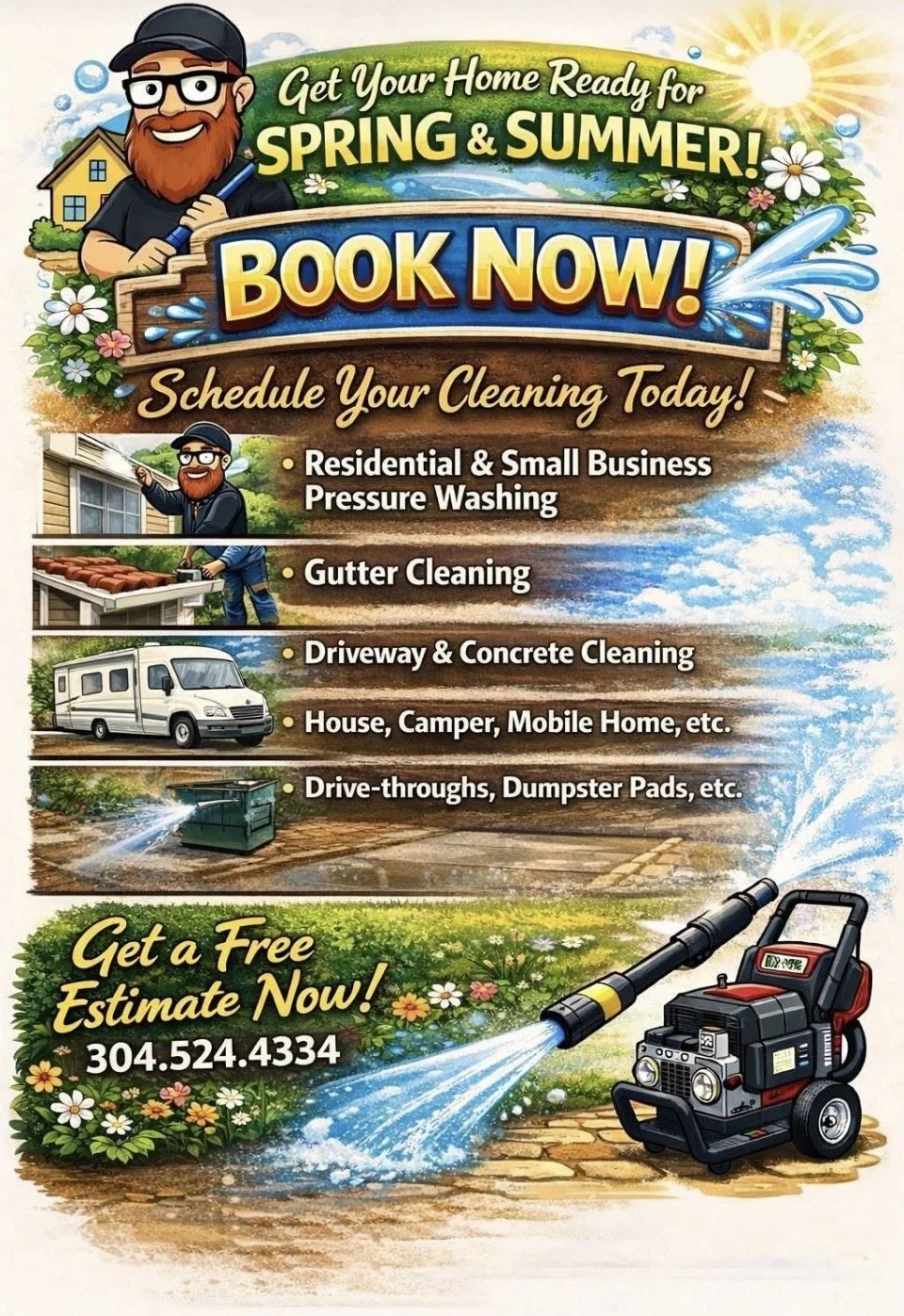
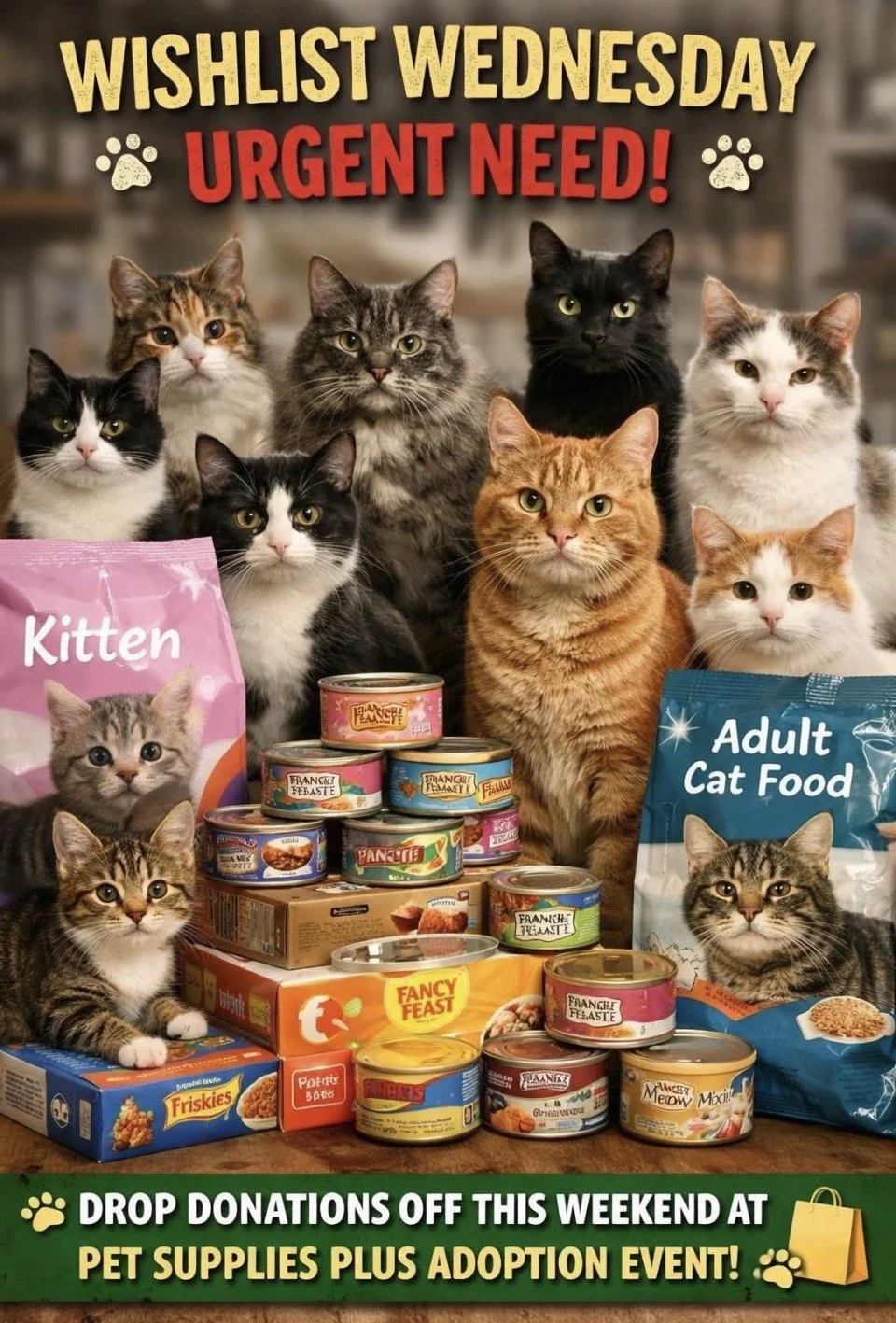
AI Posters Are Everywhere Now & Every Feed Is Starting to Look the Same
You see it in neighborhood events, local campaigns, city-led branding. Posters for street fairs or farmers markets that look polished and cohesive, yet feel like they could belong to any city.
There’s nothing in them that points back to a specific place or a specific group of people.
Local identity used to show up in small ways. Slightly off layouts, unexpected color choices, and details that only made sense if you were familiar with the area. Those things weren’t always intentional, but they made the work feel connected to something real.
When everything is generated from the same starting point, important community signals weaken.
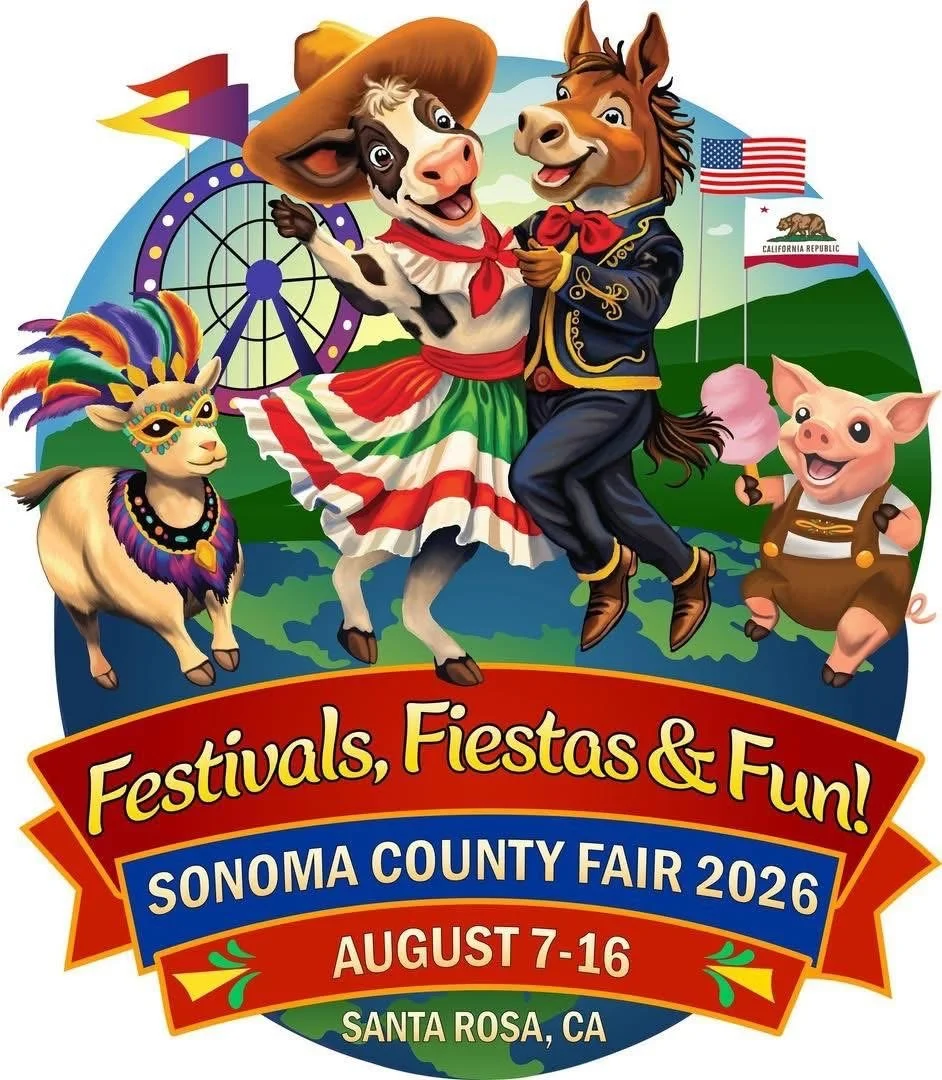
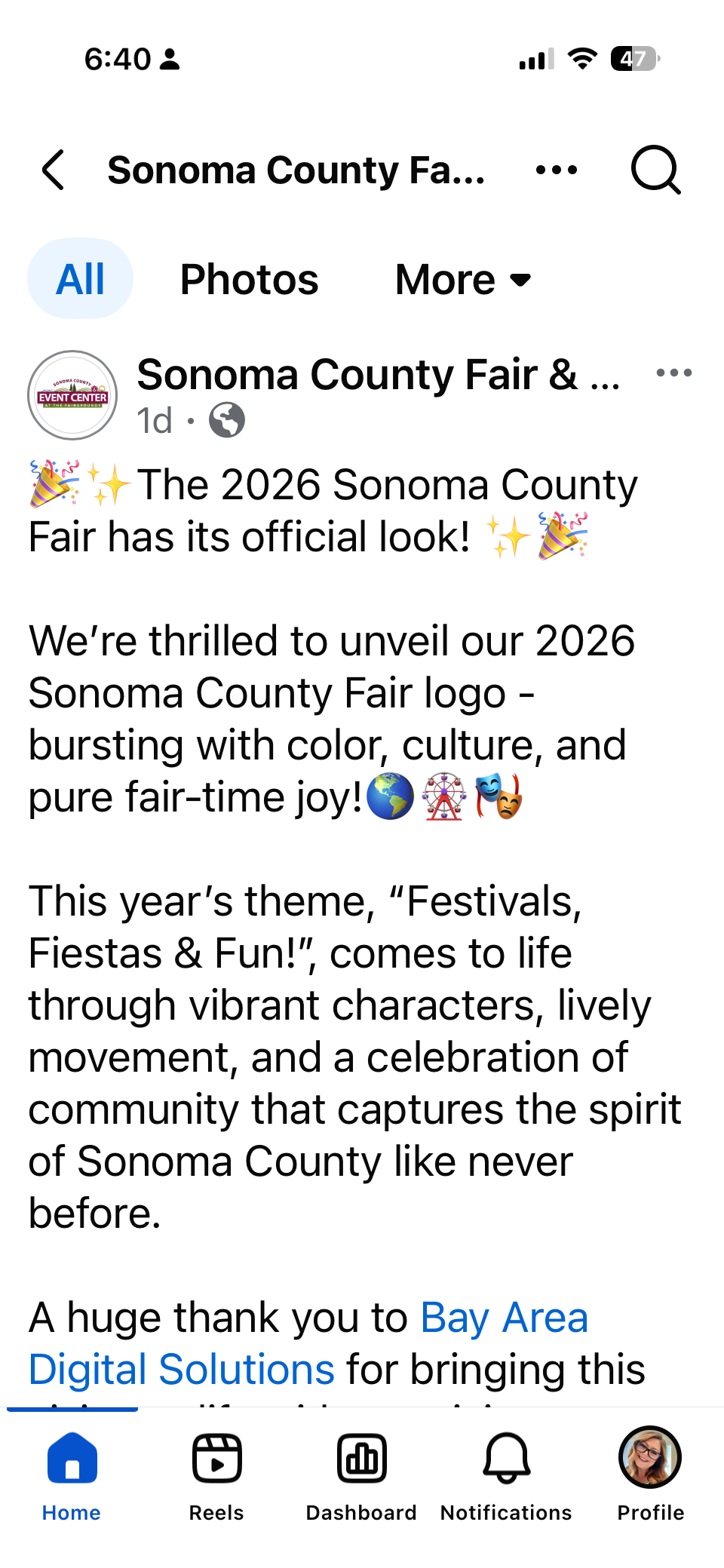
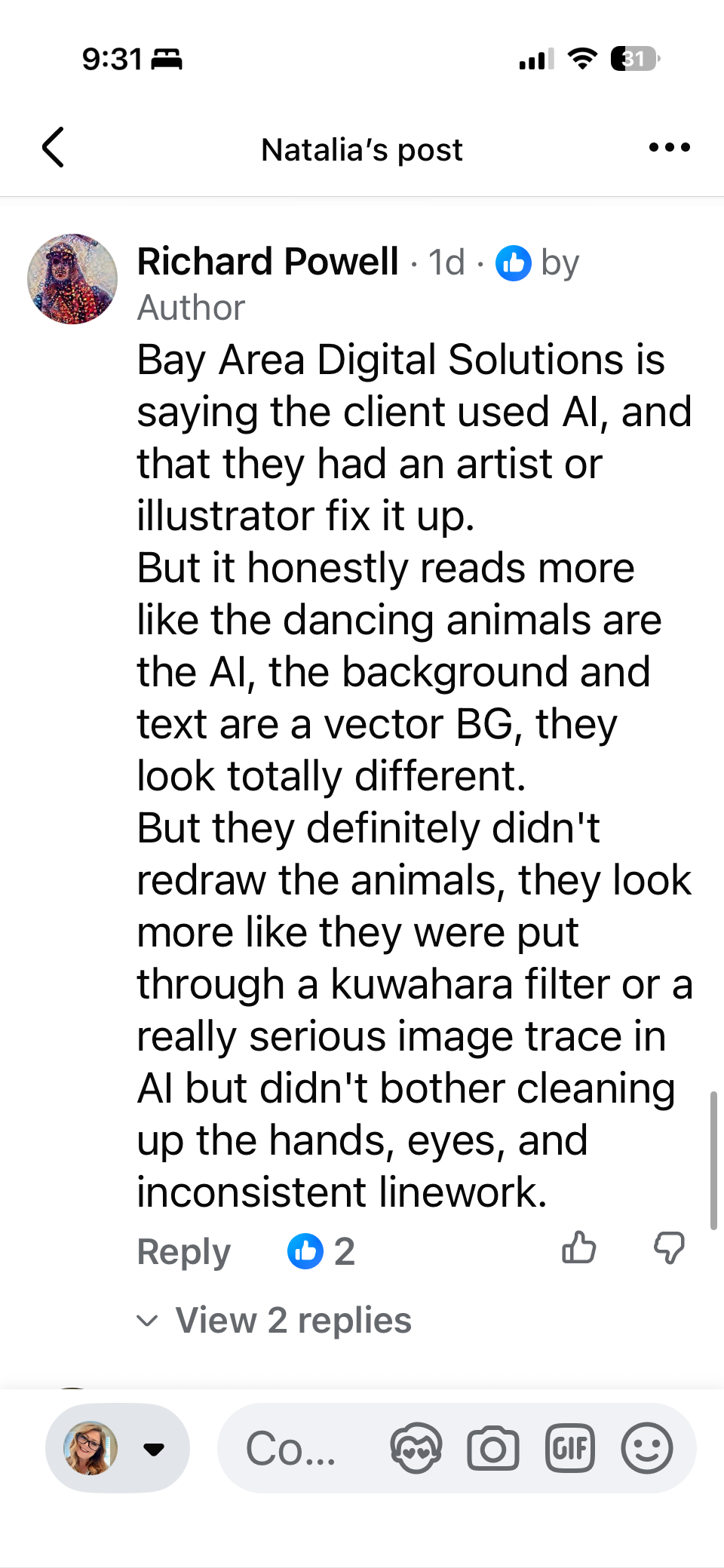
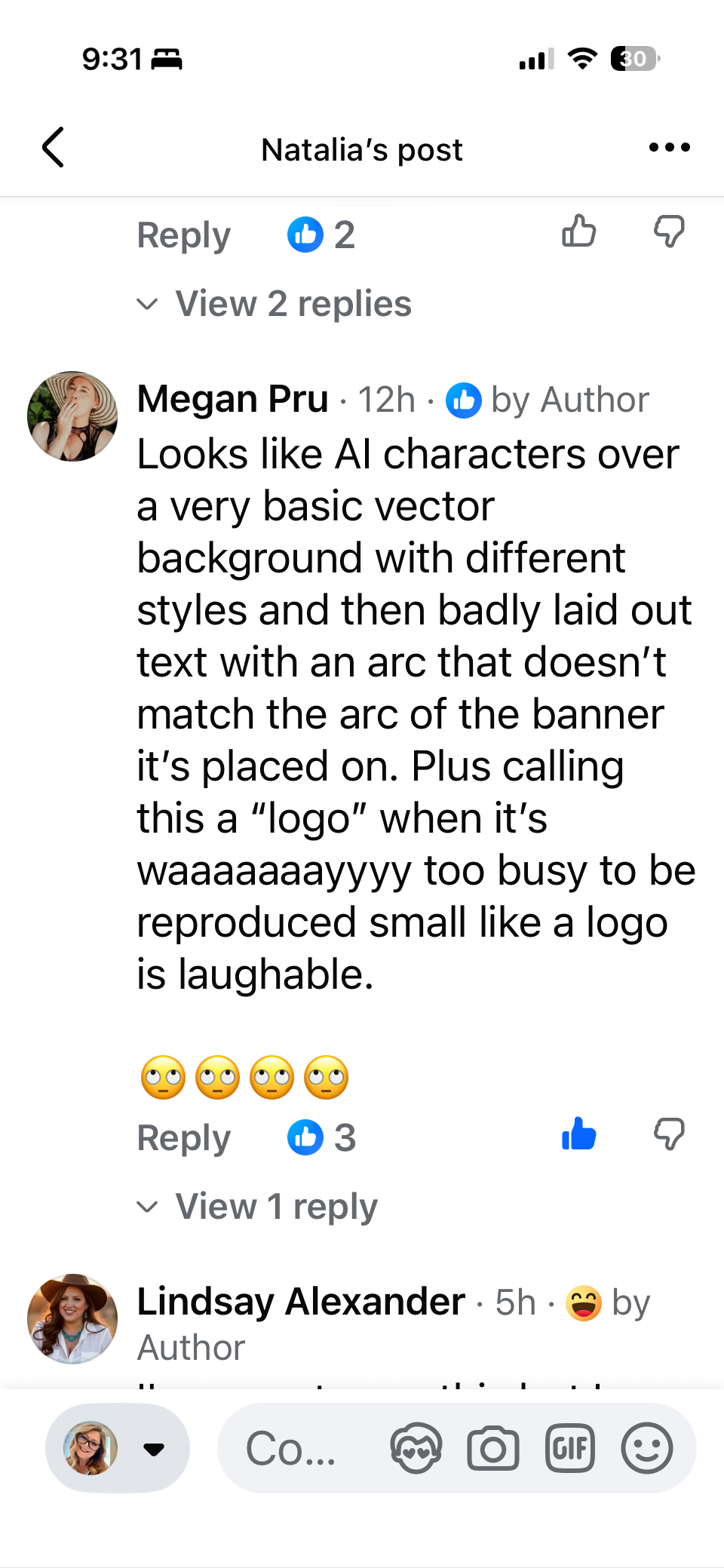
Here are some examples from a recent post from the Sonoma County Fair’s newest “logo” they shared on Facebook. Yes, it looks like it was solely created with AI, and yes, that goat doesn't make any sense being in a Mardi Gras outfit in Sonoma County…. It looks like AI created animals that go with the word FESTIVAL, and didn't think it through that it also should have a sense of place.
The issue is that most small businesses were never taught to ask what's worth amplifying in the first place. The focus has always been on staying consistent and looking presentable.
Use AI, but what matters is knowing what to look for and what to ask for.
If you don’t know what you’re looking for, the first version feels good enough. It looks clean. The colors work. It feels like something you could post. So you move on.
If you do know what to look for, you see the gaps right away. The headline could belong to anyone. The image doesn’t say anything specific. The whole thing feels like it came from the same place as everything else in your feed.
You go back in and change the ask. You get more specific about what the business actually is, who it’s for, what you want someone to notice. You strip out anything that sounds generic. Sometimes you run it again. Sometimes you scrap it and start over.
AI makes that easier to do more often, at higher volume, across wayyy more channels — and a Sprout Social report from early 2026 found that brands posting AI-generated content at high frequency saw a 23% drop in comment engagement over six months, even as impressions held steady. Getting seen without being remembered becomes a problem.
People on the other side of the feed aren't looking for perfection. They're trying to figure out whether what they're seeing connects to something trustworthy enough to act on. If it doesn't land that way, they move on fast and don't spend much time thinking about why.
The gap between the ad and the burger used to be obvious and forgivable.
Now, when people see generic AI flyers and posters, they react differently. It doesn’t feel new or impressive. It feels like something they’ve already seen ten times that day.
The brands that are paying attention to this shift aren’t asking how to make more posts. They’re paying closer attention to what actually holds for a second longer. What connects back to something real when someone sees it again later?!?!? (I can help optimize your content marketing).
They’re using AI, but they’re not stopping at the first version. They’re shaping it, rewriting it, or throwing it out when it feels generic.
Because at this point, content that looks good is easy. Making someone care about it isn’t.