Latest News Shana Bull Latest News Shana Bull

The Netflix Effect: Does Binge-Watching Make TV Shows Forgettable?

Thoughts on why Netflix shows don't stick around in our memories. Explore how binge-watching changed TV, impacted our viewing habits, and why some stories deserve the wait.

It started with a DVD box set.

Sex and the City Season One Box DVD Set - Binge Watching

My friends and I were in college, sitting in a cramped apartment, splitting a bottle of wine we definitely couldn’t afford, binge-watching Sex and the City on a secondhand DVD player. Someone’s older sister had gifted them the first two seasons, and we devoured them in days.

We stayed up way too late debating Carrie’s choices, planning our future Samantha-style exploits, and—if I’m being honest—letting those glossy, edited-for-HBO depictions of NYC convince us that we had to get out of Sonoma County and move to San Diego together (which we did for a few years, and I am one of the only ones who came back).

Here’s the thing: We didn’t binge because we had to. We binged because the DVDs let us. And we had never had that option before. I know I am aging myself, and Blockbuster at the time did have shelves dedicated to TV shows, but I never thought to rent shows and watch them.

In the early 2000’s Sex and the City gained a second life through its DVD box sets. It reached a broader audience who didn’t have HBO subscriptions (especially younger women in college or early careers—like me and my friends). It became a sleepover staple, a post-breakup ritual, and a kind of aspirational Bible for twenty/thirty-something women figuring out adulthood.

Those DVD box sets made it possible to binge-watch TV before Netflix ever dropped House of Cards all at once. And I heard that Sex and the City became even more popular because of those DVDs (just like Family Guy came back to Fox after being canceled and finding a cult following on DVD and Adult Swim).

Then Netflix came along, and you could rent DVDs and start binging more consistently—without the physical bulk or the $50 box set price tag. Suddenly, you could finish an entire series without leaving your house or committing to buying it outright.

The Binge Model Didn’t Start With Netflix, But They Capitalized On It

Netflix wasn’t an instigator but a reflection of a larger societal transformation. Our relationship with TV changed again when bingeing went from optional to default.

When they went from DVDs to streaming, I remember only using the service for TV shows. Then, they started making their own. And seasons were short - just like HBO.

The rise of binge culture aligns with broader trends in digital immediacy, where people expect everything on demand—from shopping (Amazon Prime) to communication (instant messaging) to information (Google).

Some shows thrive in that model.

The first show I remember binge-watching through Netflix DVDs was Nip/Tuck, and honestly? That show needed to be binged. It was chaotic, shocking, and designed to keep you hooked in a way that didn’t require—or even benefit from—week-to-week reflection. It wasn’t something I needed to talk about on social media. I just wanted to keep watching.

And I couldn't stop. I stayed up way too late and sacrificed my next day just to watch one episode after another.

Just to get that "hit" of the next episode.

I have discussed something similar to this idea with my ADHD therapist. But if you know anything about how our brains work and create dopamine, you know that binge-watching frontloads dopamine into your brain—maximizing reward but shortening the pleasure cycle.

Does Anything Stick Anymore?

Take Orange Is the New Black. It was groundbreaking.

One of Netflix’s first massive originals, a show that tackled race, privilege, and the brutal realities of the U.S. prison system—things that the average American probably hadn’t thought much about before. It gave depth to women’s incarceration in a way mainstream media had never done, peeling back the layers of the justice system to show who gets second chances (and who doesn’t).

Orange is the New Black - Binge-Watching

The discourse should have lasted months, with each episode giving people time to process what they just saw.

Instead, it was dropped all at once, consumed in a weekend, and then… poof ... on to the next thing.

Compare that to Watchmen on HBO. A show that tackled generational trauma, white supremacy, and state violence—many of the same systems OITNB critiqued, just through a different lens. But because it aired weekly, Watchmen lived.

It grew.

Each week, new think pieces were written. People sat with their shock, their discomfort, their questions. The conversation expanded, evolved.

Would Orange Is the New Black been even BIGGER as a weekly release?

What nuances did we miss because we didn’t have time to absorb what it was saying? How many shows have faded from the Netflix algorithm abyss simply because they weren’t given time to stick?

This isn’t just a TV problem—it’s a content problem.

The Netflix-ification of Everything

The binge model isn’t just about how we watch TV. It’s how we consume everything now. News, social media, marketing campaigns. It’s instant, overwhelming, and then forgotten.

Think about how brands launch products now. No slow build-up. Just a massive, algorithm-fed burst of content, then silence. Think about influencer trends. There’s no it bag anymore—just a rotating lineup of microtrends that live and die on TikTok in weeks. Think about music. How many songs have you loved for a weekend and then completely forgotten?

The issue isn’t that bingeing is bad—it’s that it kills longevity. It makes things feel disposable.

So, What Now?

The irony? Even Netflix itself is shifting back. They’re experimenting with staggered releases (The Sandman or the last episode of Stranger Things 4—remember that show?). Competitors like Hulu, HBO, Disney+, and Apple TV+ have always focused on weekly models because they know what Netflix—and frankly, we—are just now figuring out: anticipation creates impact.

And this applies far beyond TV.

In marketing, slow-burn campaigns build trust—not just hype. In branding, longevity matters more than short-term virality. In creativity, giving ideas room to breathe makes them last.

We don’t just consume stories—we live with them. And when everything is dumped on us at once, we don’t get the chance to really absorb them.

The same goes for the stories we tell each other.

I’m not saying binge-watching is bad. I’ve spent plenty of nights glued to a screen, tearing through reruns of True Blood, or watching Lost for the first time when I was home with my son when he was a baby, happy to "get lost" in the chaos.

But I also know that I missed out on the weekly discourse with other people who loved the same shows. The community. The anticipation. The joy of wondering what was coming next.

Some shows hit differently when they have time to settle in—when the anticipation, the conversations, and the slow-burn investment make them last in my memory. Think about what The White Lotus would be like if it was spoiled that it was Jennifer Coolidge who died because someone who skipped to the end decided to tweet about it minutes after it dropped. 

Maybe it’s not about choosing one model over the other. Maybe it’s about recognizing which stories deserve the wait. Next time you start a new show, ask yourself: Does this story deserve space in your week—or just your weekend?

Read More
Digital Marketing Shana Bull Digital Marketing Shana Bull

The Cost of Banning TikTok: More Than Just a Social Media Platform

The upcoming TikTok ban threatens jobs, marginalized voices, and access to vital information. Here's why this loss matters deeply.

7,000 Americans are about to lose their jobs—plus countless creators and marketers—because the government has decided to punish an entire platform without a trial. A space for creators, businesses, and communities, wiped out in the name of… what, exactly?

This isn’t just about dance videos or viral trends. TikTok has become a vital ecosystem, not just for entertainment but for education, advocacy, and connection. For some, it’s a livelihood. For others, it’s a lifeline.

My Relationship With Social Media Marketing -

I used to love platforms like Instagram and Facebook. My posts would receive thousands of likes, hundreds of comments, and real engagement. I taught classes and made my living thanks to the opportunities these platforms provided.

But over the years, I became jaded. Frustrated. Indifferent.

Not because I stopped believing in social media marketing—I still believe in its potential. I believe in building communities, connecting with customers, and sharing valuable information with people who actually want it. I believe in entertaining and inspiring others.

What wore me down were the platforms themselves. Constant algorithm changes. The never-ending race for engagement. The pressure to churn out content like a machine. It became less about connection and more about survival. It stopped feeling human.

That’s where TikTok felt different.

TikTok: More Than Entertainment

TikTok isn’t perfect, but it’s been a breath of fresh air in a stifling digital landscape. It’s a space where creativity feels raw and authentic. A place where marginalized voices find audiences, where businesses connect directly with consumers, and where communities grow around shared interests.

For me personally, Tiktok has been transformative. I’ve learned more about my body and health through TikTok than I ever did from our fragmented healthcare system. The platform has provided me with insights that I’ve been able to confirm with my doctors—information that would have otherwise fallen through the cracks of a system that forces patients to connect the dots themselves.

It drives culture. It’s the “pulse” of modern culture

TikTok isn’t just a platform. It’s a tool for education, advocacy, and empowerment. Losing it feels like losing a voice we desperately need

Why This Social Media Ban Feels Personal

Right now, I don’t even want to use any Meta product. I don’t want to give them my money, my time, or my content. Supporting a company lobbying to ban its competition because they can’t make a better product feels wrong.

Banning another company isn’t innovation—it’s manipulation. It’s not protecting consumers; it’s punishing them. It’s erasing opportunities for creators, small businesses, and anyone who relies on these platforms to amplify their voices.

This isn’t just about TikTok. It’s about what this ban represents: the silencing of voices, the loss of livelihoods, and the setting of a dangerous precedent.

No Next Steps, Just Sadness…

I don’t have any next steps or words of advice this time. I’m just sad.

I’m sad for the 7,000 employees who will lose their jobs. I’m sad for creators and marketers who rely on TikTok for their income. I’m sad for marginalized voices, whose stories and advocacy might no longer reach the audiences they need.

And I’m sad for my own body, which has benefited from knowledge shared on this platform. TikTok has filled gaps left by a broken healthcare system and connected me to the information I didn’t know I needed.

Losing TikTok feels like losing more than a platform. It feels like losing a part of our collective voice.

Let’s not pretend this is just about national security or consumer protection. It’s about power. And those who stand to lose the most are the ones who need platforms like TikTok the most.

Read More

Build Confidence With Creating Social Media Videos

Creating videos for social media marketing can be a daunting task, especially if you lack confidence in getting in front of the camera and coming up with ideas to create videos on a regular basis. This blog post will provide tips on how to increase your confidence with creating social media videos.
In the past few years, we have seen the shift within the social media platforms to everyday people watching more videos on Facebook, Instagram, Twitter, and of course, YouTube and now TikTok. With the growth of these platforms, RIGHT NOW, one of the best ways to engage with your audience is through video content. 

This is great news for those of us who want to use video marketing as a way to connect with our audience and promote our products or services! 

However, creating videos for social media marketing can be a daunting task, especially if you lack confidence in getting in front of the camera and coming up with ideas to create videos on a regular basis.

Trust me - I have been here… And even though, I am feeling more confident, it’s an ongoing process and some days I feel more confident than others…

Luckily, there are some things you can do to increase your confidence and make sure that your videos are relevant to your audience. With a bit of planning and effort, anyone can create engaging and creative videos that can even help you promote your products or services! I promise…

Here are a few tips to help you boost your confidence with creating social media marketing videos:

1. One way to find confidence with creating social media videos is to have a clear idea of what you want to achieve with your content. What are your goals? Who is your target audience? What kind of message do you want to communicate? Once you know the answers to these questions, it will be much easier to plan and execute your video strategy. (more details on goal planning here). Plus, it can also help to build up a bank of ideas so that you're never stuck for something new to post.

2. Another tip for creating great social media videos is to keep things simple. You don't need fancy equipment or editing software - a smartphone and some basic editing skills will suffice. It's important to focus on quality over quantity. This means that you shouldn't try to pump out as many videos as possible without taking the time to ensure that they're well-made and interesting.

Keep your videos short, sweet, and to the point; no one wants to watch a ten-minute commercial masquerading as a social media post! UNLESS - that ten-minute video is detailed in helping your target audience with a pain point they are suffering from - and that you can help them with.

Consistently means something different for everyone. You DON"T have to be creating videos every day. If you want to start slow, and create one video a week for Instagram Reels - go for it. 

3. Don't try to do everything yourself - enlist the help of friends or family members if you're feeling nervous about being in front of the camera. They can help you set up your shots, hit record, and even provide moral support! You can always book a 45-minute one-on-one session with me to help brainstorm ideas so you can feel confident in your ideas. 

4. Make sure that you're creating videos for social media that are relevant to your target audience. There's no use in making videos that nobody will want to watch, so take the time to figure out what kinds of things your audience is interested in. Use trending audio (I wrote a long blog post on how to find trending audio on Instagram Reels), and make sure to make your videos relevant to your niche!

If you aren't sure where to start - ask yourself what kind of content you would want to see from someone in your industry. What types of videos do you find yourself watching for longer, or find yourself wishing you could create. Also - if you aren't your own target audience, ASK them what they want to see from you. The more unique your videos are, the more likely people are to remember them (and share them with their friends).

5. Don't be afraid to experiment with different types of social media videos until you find what works best for you and your brand. There are all sorts of possibilities out there - from educational “how-to” style videos, funny clips featuring behind-the-scenes footage, customer testimonials, or even just short snippets highlighting your products or services.

If you don't want to show your face - don't. Find someone at your business who would like to be the "face" of the brand, or share behind-the-scenes clips of your work life. 

The important thing is that you put yourself out there and have fun with it; social media should be about connecting with others, not selling them something (the selling comes from building relationships and getting your connections to know, like, and trust you - and video is one of the best ways to show off your personality and build on that trust - ultimately selling your product or service). 

6. Ask for feedback and check your analytics. Once you've started putting out regular video content, it's important to get feedback from your audience so that you can continue improving. Ask people what they think of your videos in comments or surveys, and use this information to inform future productions. Checking out your analytics within the apps also helps tell you what type of content is doing the best. Look once a month to see if there are any trends and if those trends change.

7. Check in with yourself once you start getting into a routine of creating and posting content. If you enjoy creating content, it will make it a lot easier to keep building on your confidence to create even more social media videos throughout the week. Keep track of your wins and when you feel the most confident when you create. Maybe it's after you get all dolled up and are feeling gorgeous. Maybe it's a time of day when you are feeling energetic. Create content during the times when it makes sense for you!

Now that you've seen how simple it is to create videos, try making one in the next few days! And remember - everyone starts somewhere - you don't need to have Hollywood-level production values or million-dollar equipment to create great content. Just start with what you have and work on improving your confidence, and your videos over time.

Read More
Social Media, Digital Marketing Shana Bull Social Media, Digital Marketing Shana Bull

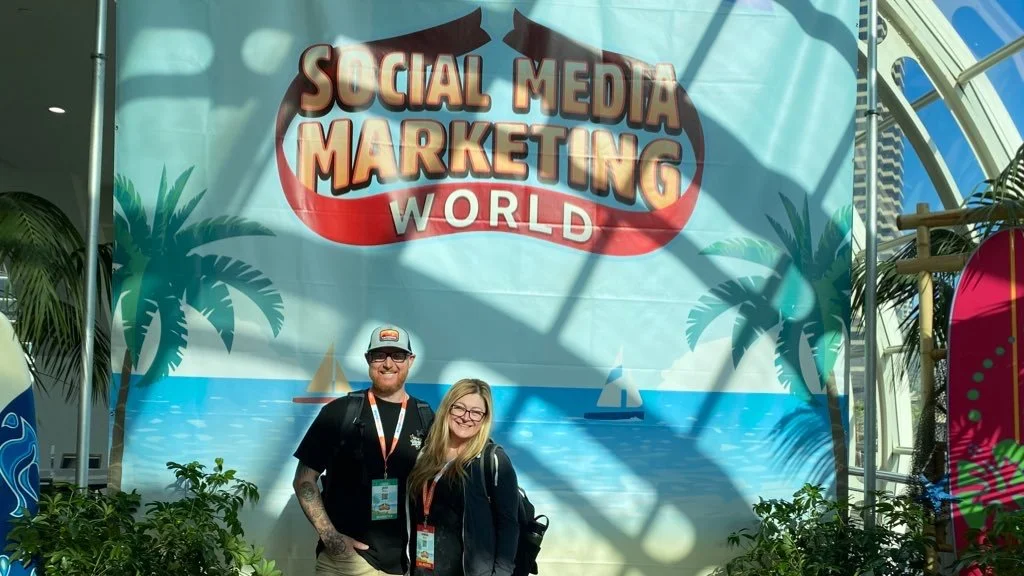
Social Media Marketing World Trends - My 2022 Experience

Social Media Marketing World 2022 had so many great insights, but I did notice a few social media trends that I will be putting into practice even more with my own social platforms and with clients.

I could write paragraphs about my experience attending a conference for the first time in two years since Covid, and also my first post-cancer treatments (good old side effects definitely made this a different experience).

But I won’t…

Instead, I will just say that networking fills my soul, and I am so excited to use some of these takeaways I learned from Social Media Marketing World.

Social Media Marketing World Trends:

A lot of these social media trends are from different sessions that were mentioned noticing throughout #SMMW22:

1. Testing! Social media platforms are so valuable because of the data (for marketers). - @brie_e_anderson. TikTok knows so much about your preferences because they are able to quickly get that info (data). Test everything. Social media, website, email, products. And then test again.. and again. And actually do something with that info!!

Google Analytics and Google optimizer are great tools to see what your customers want from your website. A/B test CTAs, images, and placement on your website because your customers will tell you what they want (vs you guessing). Digital ads allow you to test 10+ different images and captions with basically the same post. USE these tools to make your future content and marketing efforts even better. 

By taking the time to test different content, strategies, and approaches, businesses can get a better sense of what works and can make informed decisions about future content.

2. Connections! Community is more important than vanity metrics like the number of followers. Find your niche. And then niche down even more - those are your people. Connect with them on their pages (it actually helps your content be seen) & create content FOR them. Ask questions that create conversations, and then create custom audiences on Facebook/Instagram to retarget specifically to the audience that has always connected with you. 

If you have different customers, create different conversation starters based on what interests them and create several audiences. 

3. Simple keywords/hashtags. Find keywords that make sense for the number of followers you have. If you only have 1000 subscribers, go after keywords with 1000 monthly views. Not millions. (YouTube, but this makes sense across digital platforms).

Hashtags are not as important as they once were, but that doesn't mean you should ignore them. Pick a few based on your location and niche, and stick to that. aka #wine = you will be lost, but #SonomaZinfandel will allow you to be found. Use tools like keywordseverywhere.com to find monthly searches for different keywords and hashtags. 

4. First impressions matter. The hook, the thumbnail/cover photo. Use emotion, don’t lead with your product or use the title in your thumbnail. You don't have to have everything put together, but you do need to lead with something to capture attention right off the bat. 

5. Show up! You can make great videos without using people — BUT, it definitely helps to build trust and authority. People want to connect with other people, not faceless brands. Creating connections with a person helps potential customers know, like, and trust you - as a brand.

People want to see behind-the-scenes, real, and raw content. This was before COVID but has definitely increased since then. People want to connect on a deeper level with the brands they love and feel like they are part of something. This can be done through IG Stories, Reels, TikToks, Snapchat, etc. Get creative with it!

6. Automate. Create a framework or template for the things you do regularly, and stick to it. Re-share content, and if something works for you, use that same video again, or create another video with that trending sound. More often that already good post will do even better the second time around.

Seriously, you can reshare over and over again, and spend less time creating new content and more time looking at data and analytics to see what type of content your audience wants to see. 

7. Copy. Storytelling is important to keep your content based on your customer, not your product. We are not rational buyers. Stories provide emotion, context, and trust (see #5).

When you weave stories into your content marketing strategy, you're not just selling products or services - you're selling a lifestyle and an experience. Your goal should be to create content that speaks to your target audience's pain points and needs, and then show them how your products or services can make their lives better.

8. What's out: Long captions, perfectly curated images, and pointing reels in Instagram are out (mostly) — Ooops. My captions are mini novels... But, thankfully we should always be testing to see what works for you!!! (See # 1 ).

Social Media Marketing Trends for YOUR Business!

If you are interested in talking more about what any of these social media trends mean for your business, I would love to help out! Book a one-on-one with me to brainstorm ideas, get questions answered or come up with content ideas! I would love to pass along what I learned, as well as what I was already doing!

Read More